
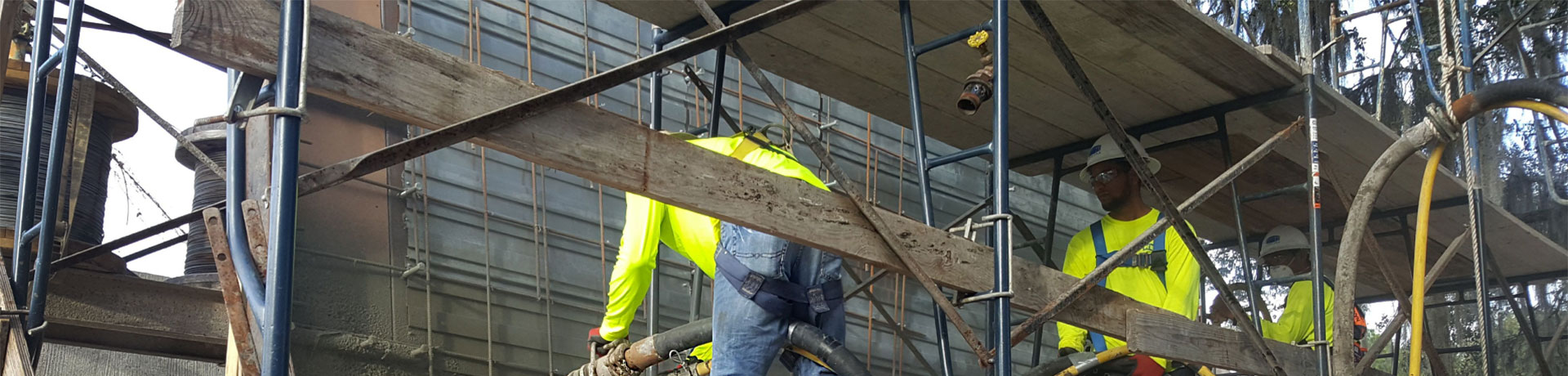
ASA Outstanding Shotcrete Awards Program
The ASA Outstanding Shotcrete Project Awards Program exists to recognize excellence and innovation on projects in which the application of shotcrete has played a significant role.
ASA’s Annual Outstanding Shotcrete Project Awards Program provides an exciting real-world demonstration of the exceptional advantages of placing concrete via the shotcrete process. Many sustainability advantages are also inherent in the shotcrete process and play a significant role in winning projects as well as the project owner’s ultimate decision to use shotcrete as the method of concrete placement. Projects can be submitted in the following areas:
- Underground
- Architecture | New Construction
- Infrastructure
- International Projects
- Pool | Skatepark
- Repair | Repurpose
To assist in your submission, we have provided submission resources to inform you of the submission guidelines, a list of questions, and a copy of the owner release form. Please email any questions to [email protected].
Award Archive
2025 – Twenty First Annual Outstanding Shotcrete Project Awardees
Outstanding Architecture
Fresno Chaffee Zoo: Kingdoms of Asia | Fresno, CA
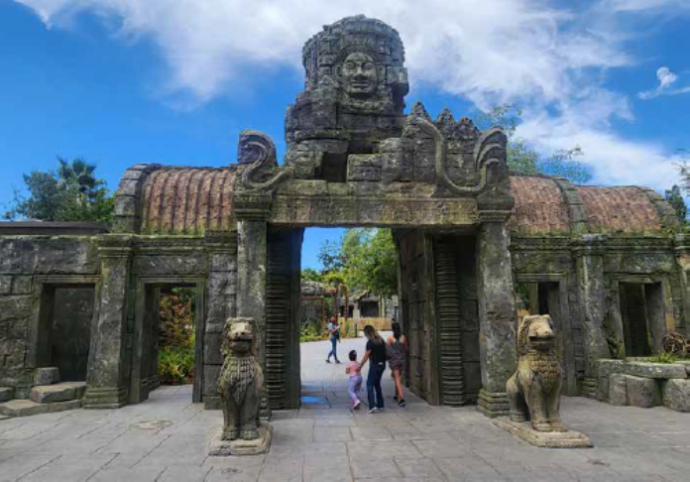
Project Name:
Fresno Chaffee Zoo: Kingdoms of Asia
Location:
Fresno, CA
Shotcrete Contractor:
COST of Wisconsin*
Architect/Engineer:
CLR Design / Patrell Engineering
Material Supplier/Manufacturer:
Builders Concrete Inc. & Outback Concrete
Equipment Manufacturer:
REED Shotcrete Equipment*
General Contractor:
Bernards Bros
Project Owner:
Fresno Chaffee Zoo
New Construction Project
Point Grey Shoreline Stability | Vancouver, BC, Canada
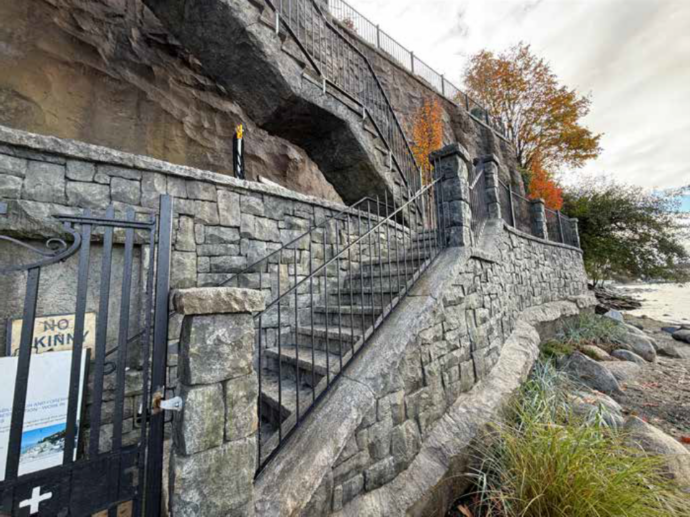
Project Name:
Point Grey Shoreline Stability
Location:
Vancouver, BC, Canada
Shotcrete Contractor:
Ocean Rock Art LTD*
Architect/Engineer:
Paul Sangha Creative
Material Supplier/Manufacturer:
Heidelburg Materials
Equipment Manufacturer:
Putzmeister*
General Contractor:
GWilson Construction
Project Owner:
Claire and Jaime Wright
Outstanding Infrastructure Project
Humber College Station | Toronto, ON, Canada
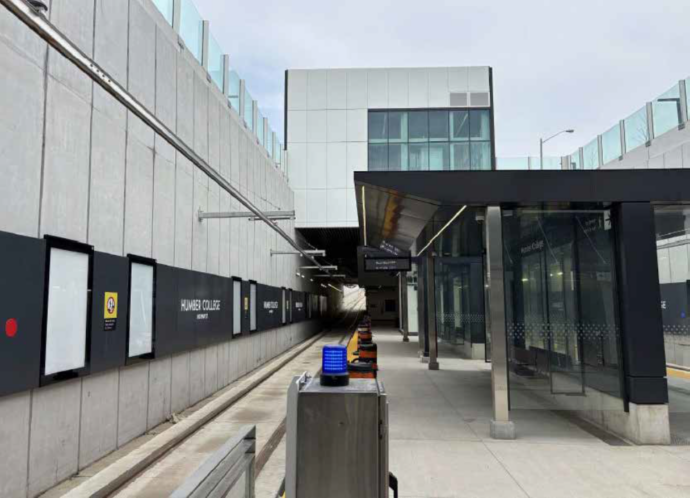
Project Name:
Humber College Station
Location:
Toronto, ON, Canada
Shotcrete Contractor:
Consolidated Shotcrete Inc.*
Architect/Engineer:
Arup
Material Supplier/Manufacturer:
Dufferin Concrete
Equipment Manufacturer:
Western Shotcrete Equipment*
General Contractor:
Mosaic Transit Group Joint Venture (Aecon Infrastructure and Management Inc., Dragados Canada Inc., Dufferin Construction Company)
Project Owner:
Metrolinx
Outstanding International Project
National Route N2 Slope Stabilization | Eastern Cape, South Africa
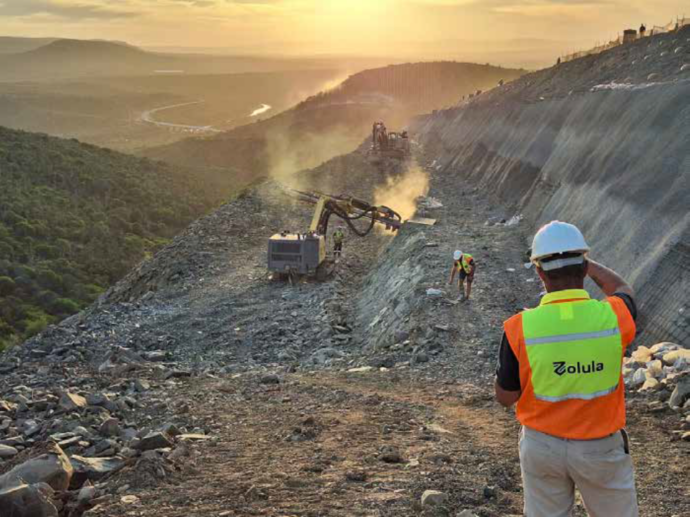
Project Name:
National Route N2 Slope Stabilization
Location:
Eastern Cape, South Africa
Shotcrete Contractor:
Zolula (Pty) Ltd*
Architect/Engineer:
Bosch Projects / AGES-Group
Material Supplier/Manufacturer:
WBHO Construction
Equipment Manufacturer:
Putzmeister*
General Contractor:
WBHO Construction
Project Owner:
South African National Roads Agency SOC Ltd
Outstanding Pool & Recreational Project
Southern Living Pools | Horseshoe Bay, TX
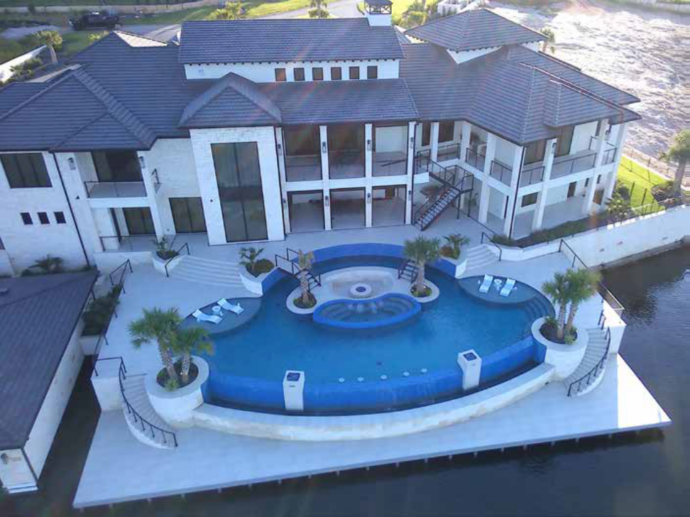
Project Name:
Southern Living Pools
Location:
Horseshoe Bay, TX
Shotcrete Contractor:
Texan Concrete Construction Solutions, LLC dba – Texan Gunite*
Architect/Engineer:
Smith Engineering – Austin, TX
Material Supplier/Manufacturer:
Texan Concrete Construction Solutions, LLC dba – Texan Gunite*
Equipment Manufacturer:
Putzmeister America*
General Contractor:
Jeff Jackson Homes
Project Owner:
Southern Living Pools
Outstanding Rehabilitation & Repair Project
Abitibi Canyon Z7 Dam Rehabilitation | Abitibi Canyon, ON, Canada
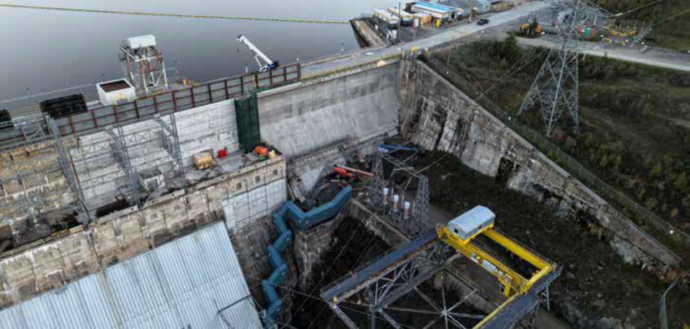
Project Name:
Abitibi Canyon Z7 Dam Rehabilitation
Location:
Abitibi Canyon, ON, Canada
Shotcrete Contractor:
SWATcrete*
Architect/Engineer:
Atkins Realis
Material Supplier/Manufacturer:
L. Fournier & Fils Inc*
Equipment Manufacturer:
SWATcrete* (Customized Aliva 252)
General Contractor:
PETER KIEWIT SONS ULC
Project Owner:
Ontario Power Generation
Outstanding Underground Project
NYC Grand Central Station New Passageway | New York City, NY
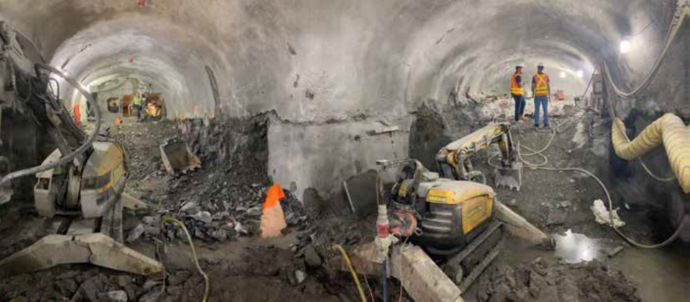
Project Name:
NYC Grand Central Station New Passageway
Location:
New York City, NY
Shotcrete Contractor:
Patriot Shotcrete*
Architect/Engineer:
STV Incorporated
Material Supplier/Manufacturer:
Tec-Crete Transit Mix
General Contractor:
Skanska USA Civil Northeast
Project Owner:
Metropolitan Transit Authority
Honorable Mention Project
Pompeys Pillar National Monument Stabilize | Pompeys Pillar, MT

Project Name:
Pompeys Pillar National Monument Stabilize
Location:
Pompeys Pillar, MT
Shotcrete Contractor:
Shotcrete Montana LLC*
Architect/Engineer:
Bureau of Land Management- MT State OFC
Material Supplier/Manufacturer:
The Quikrete Companies*
Equipment Manufacturer:
REED Shotcrete Equipment*
General Contractor:
TripTych Construction LLC
Project Owner:
Bureau of Land Management – MT State OFC
Honorable Mention Project
Business in the Front, Party in the Back | Raleigh, NC
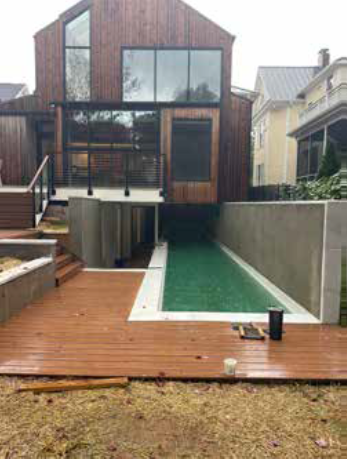
Project Name:
Business in the Front, Party in the Back
Location:
Raleigh, NC
Shotcrete Contractor:
Revolution Gunite*
Architect/Engineer:
Waterforge, Inc
Material Supplier/Manufacturer:
Revolution Gunite*
Project Owner:
Jiten Patel
Pool Contractor:
Raleigh Pools
Honorable Mention Project
North America’s Tallest Retained Façade | Toronto, ON, Canada

Project Name:
North America’s Tallest Retained Façade
Location:
Toronto, ON, Canada
Shotcrete Contractor:
Green Infrastructure Partners Inc.*
Architect/Engineer:
Grounded Engineering
Material Supplier/Manufacturer:
Canadian Building Materials
General Contractor:
EllisDon Residential
Project Owner:
481 Uni Investments Inc
Mapei’s London Underground Bank Station’s Capacity Upgrade
Deep in the heart of London’s financial centre, work has been continuing to make one of the world’s largest stations safer and easier for passengers to use. Finding your way around the existing labyrinth of tunnels, connecting five London underground lines, is a task worthy of the most experienced navigator.
Advances in Shotcrete Technology for Ground Support in Tunnels and Mines in North America
In recent years, shotcrete has been widely used for ground support in civil tunnels and mines in North America. Shotcrete technologies have advanced with robust robotic sprayers, high-performance shotcrete mixture designs, and high-performance fiber reinforcement in conjunction with rigorous qualification of shotcrete nozzlemen and QC inspection and testing programs. Design engineers and contractors are using shotcrete more and more often for various underground applications including ground support and final linings in tunnels in soft ground and hard rock mines, as well as in repair and rehabilitation projects in railway tunnels and other underground openings. Large underground caverns have been constructed using shotcrete as the initial liner in San Francisco and Los Angeles, and for both the initial liner and final liner in New York and Washington D.C. This article focuses on recent underground shotcrete technology developments from project experience and provides lessons learned. It also demonstrates that proper quality control and shotcrete qualification programs are critical for successful shotcrete projects.
Shotcrete’s ability to encapsulate dense structural rebar support makes it an ideal candidate for seismic retrofits or other structural support elements. The high velocity compaction of shotcrete placement and real-time visual inspection of placement make shotcrete a valuable placement method where proper encapsulation is difficult to see and access.
QSC Code of Conduct
An ASA Qualified Shotcrete Contractor shall adhere to the following QSC Code of Conduct: “As an ASA Qualified Shotcrete Contractor, we agree to ongoing compliance with the requirements and standards set forth in the ASA Shotcrete Contractor Qualification Program description. We will not knowingly or purposefully violate any project specifications or requirements. We agree to maintain required insurance coverage, staff our projects with trained and certified personnel, and strive to produce a high-quality product in a safe and professional manner.”
The ASA Technical Questions and Answers is a free service offered to all users, but primarily intended for engineers, architects, owners and anyone else who may be specifying the shotcrete process and/or has need for a possible answer to a technical question.
User agreement: The answers provided to submitted questions are intended for guidance in planning and executing shotcrete applications. This information is intended only for the use of individuals who are competent to evaluate the significance and limitations of its content and recommendations, and who will accept responsibility for the application of the material it contains. The American Shotcrete Association provides this information based on the best knowledge available to them and disclaims any and all responsibility for the information provided. The American Shotcrete Association will not be liable for any loss or damage arising therefrom.
If you are unable to find what you are looking for in the archive, then submit a new technical question.
ACI 318-14 (Building Code Requirements for Structural Concrete) requires post-installed expansion anchors to meet the testing criteria of ACI 355.2-07 (Qualification of Post-installed Mechanical Anchors in Concrete). ACI 355.2 specifies certain anchor testing and evaluation requirements to verify suitable anchor performance and to determine other aspects (such as failure mode) to use in conjunction with Chapter 17 of ACI 318 when designing the post-installed expansion anchors. Anchor testing is required largely to be performed by an independent agency and normally is conducted in normal weight and/or light weight concrete that meet pertinent ACI, ASTM and other requirements. Some post-installed expansion anchor manufacturers (like Hilti) have not had their anchors tested per ACI 355.2 in shotcrete type concrete, only tested in normal weight and light weight concrete. As such, these anchor manufacturers typically do not publish/offer any permitted load ratings, installation torques or other design and installation requirements for their expansion bolts when used in shotcrete. Instead, they recommend site testing to determine anchor performance or that the responsible design engineer can make an engineering judgment on anchor acceptability, as appropriate, if site testing is not performed. Do you have knowledge of any expansion bolt manufacturers that have tested their products is typical shotcrete? If yes to #1 above, do you know if the testing was done per ACI 355.2 requirements?
Shotcrete is a placement method for concrete. With proper equipment and placement techniques, concrete shotcreted in place will have strength, unit weight, permeability, and other hardened properties equivalent or superior to cast concrete consolidated by vibration. Due to delivering concrete material through relatively small diameter lines (1.5 to 2 in.) [38 to 51 mm] concrete mixtures for shotcrete placement typically limit the maximum coarse aggregate size to a nominal 3/8 to ½ in. (9.5 – 13 mm) size.
Thus, answering your specific questions:
- We are not aware of any expansion bolt manufacturers tests that used shotcrete placement of concrete for their test samples. However, tests on cast concrete should be equivalent with a given compressive strength and aggregate size/type in the concrete mixture.
- We expect that as answered in #1, that the tests run with ACI 355.2 requirements in cast concrete would have similar results when used with shotcrete placement of the concrete mixtures with similar hardened properties.
Also, note that ACI 318-19 directly includes shotcrete as a placement method for structural concrete.
We have a wet-mix shotcrete steel fiber overhead application progressing in our state. The question is about the use of a steel trowel finish, as opposed to say a magnesium or wood float finish. In the ASA Shotcrete Inspector seminar, it was stated that a steel trowel is less durable, reduces freeze-thaw resistance and shows cracking more proximately. As this particular application is overhead and, in a tunnel, there is not as much of a concern with water infiltration and the associated freeze-thaw exposure. We usually don’t allow steel trowels for flat work, due to deicing salts, but that concern wouldn’t apply here. My superintendent has asked me to reach out to you to see if you might have any further detailed advice on this type of application. Construction is wanting a smooth finish and looks do matter here as it is a high-profile project. If the DOT were to allow the steel trowel for finishing, what would be your concerns or suggestions to this approach?
Freeze-thaw deterioration is dependent on the concrete being saturated in multiple freezing/thawing cycles. In an overhead application, where water can’t stand on the surface, the concrete can’t be saturated unless water permeates through from the upper surface. And with good quality concrete in the tunnel, water shouldn’t permeate through, so it should be functionally watertight. As a result, freeze-thaw likely isn’t a critical durability issue.
A steel trowel finish does require extra working of the surface and would require the contractor to be very attentive to the proper time to obtain the finish yet not overly disturb the fresh concrete. Gravity is working against the overhead concrete staying in place.
Having a smooth steel trowel finish would make minor shrinkage cracks more noticeable. However, in the tunnel without exposure to sunlight or much wind exposure, and with proper attention to curing, perhaps surface cracking will be minimal.
I was taught in engineering courses that conventional concrete should not be counted on to carry tensile stress. For steel reinforced concrete, the reinforcing bar is designed to carry all tensile loads. Although concrete obviously has some tensile strength, it is too low and prone to cracking failure to consider it in design. In fact, I believe you can assume it is cracked from the shrinkage during curing. Is gunite treated the same way? I have a pool that is developing a crack through an elevated wall/beam and down into the plaster to the bottom floor at the sun shelf. I witnessed the plumbers cutting some rebar in the beam to allow for PVC plumbing to water sheer (up at top of beam, just under the tile topping) and I worry this is the root cause along with settlement that put the top of the beam in tension. The rebar down low should be intact and I hope the crack width may stay minor down in the plaster. On top of the tiles beam where the maximum tensile stress would have been, the crack is fairly wide. The crack movement opened up a gap in the grout line between tiles of about 0.08 to 0.10 in. (2-2.5 mm). I think it was a real sin for them to have cut the rebar. If it is necessary to reinforce the tensile side to halt future movement, I would think cutting a slot or two in the gunite across the crack (say 12 in. [300 mm] each side. Up high just under the water sheer) and epoxy a rebar in the slots.
Shotcrete, both dry-mix (gunite) and wet-mix are a placement method for concrete. Wet-mix uses premixed concrete while dry-mix simply adds water to the concrete materials at the nozzle. Both dry-mix and wet-mix with proper materials, equipment, and placement with produce quality concrete sections. The embedded reinforcement in the pool shell is designed to carry tensile loads. This may be bending stresses from structural loadings (settlement or water/backfill), or volume changes from drying shrinkage and temperature changes. Cutting a reinforcing bar would certainly negate its ability to carry loads in the vicinity of the cut and reduce the load carrying capacity until the development length allows the reinforcing bar to start carrying it full load.
The layout of your cracked section isn’t clear from your description. An 8 to 10 mil (2 to 2.5 mm) crack is sizable in a water-containing structure. Fixing the existing crack with a reinforcing bar epoxied in place across the crack may be effective. However, that solution would only carry any additional load on the section (structural or volume change), as the existing loads have already created cracks. Thus, you should also address filling the crack as part of the solution. This may be with epoxy injection or swellable polyurethane grouts. You should consult with the pool design engineer for their recommendation on the best method for repair.